


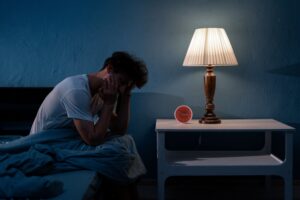
Did you know that an estimated 30 million to 80 million American adults suffer from obstructive sleep apnea (OSA)? This nighttime disorder occurs when your airways become blocked or obstructed, interrupting your sleep cycles and preventing your body from getting quality rest.
Because OSA can potentially affect your blood oxygen levels, it can also contribute to other health issues, such as heart attack or stroke. But many people are surprised to learn that it can potentially also contribute to bedwetting. Continue reading to learn more about it and how to get better sleep!
What is Nocturia?
Nocturia is the medical term that applies when someone wakes up multiple times during the night to urinate. It’s not usually a condition in and of itself, but is a symptom that can point to an underlying issue, such as diabetes, bladder problems, side effects from prescription medications, heart failure, or excessive fluid intake before bed.
Although bedwetting is often associated with children who might not yet have developed sufficient bladder control, nocturia is known to affect people of all ages. One main difference is that people experiencing the latter wake up to consciously use the restroom rather than remain asleep through incidents.
How Does Sleep Apnea Affect Nocturia?
Sources report that about 50% of people who have obstructive sleep apnea also struggle with frequent bathroom breaks at night, meaning that the two are closely correlated. This may be partly because reduced blood oxygen levels from blocked airways can cause hormone fluctuations that can cause issues.
For example, antidiuretic hormone, or ADH, slows kidney function at night to reduce urine production, but OSA can disrupt its production. Not only that, but your body might also overproduce another hormone, atrial natriuretic peptide (ANP), that tells the kidneys to release additional water and sodium, which must then be released from the body.
Can Treating Sleep Apnea Prevent Nocturia?
It’s only natural to want to do everything you can to help regulate your systems to avoid frequent bathroom breaks and get better sleep at night. Thankfully, some studies have shown that treating OSA can help prevent nocturia.
For instance, many dentists offer custom-fitted sleep appliances that are worn over the teeth to help correct the jaw’s alignment, which helps keep the airways open while you dream. This improves your oxygen levels and therefore can help regulate hormone production.
If you’re experiencing nocturia but aren’t sure whether it’s related to sleep apnea, you can contact your dentist to learn more!
About the Practice
Patients at NeoSmile Dental Care benefit from two dentists who are passionate about helping children and adults enhance their quality of life by improving their dental health. Dr. Patel and Dr. Gandhi collaborate to provide a comprehensive menu of services, including oral appliances to treat sleep apnea, to meet your family’s unique needs conveniently under one roof. Their caring approach, paired with advanced technology, delivers comfortable, accurate results meant to last. If you want to get a better night’s rest, you can contact the office on the website or call (215) 643-5220.