


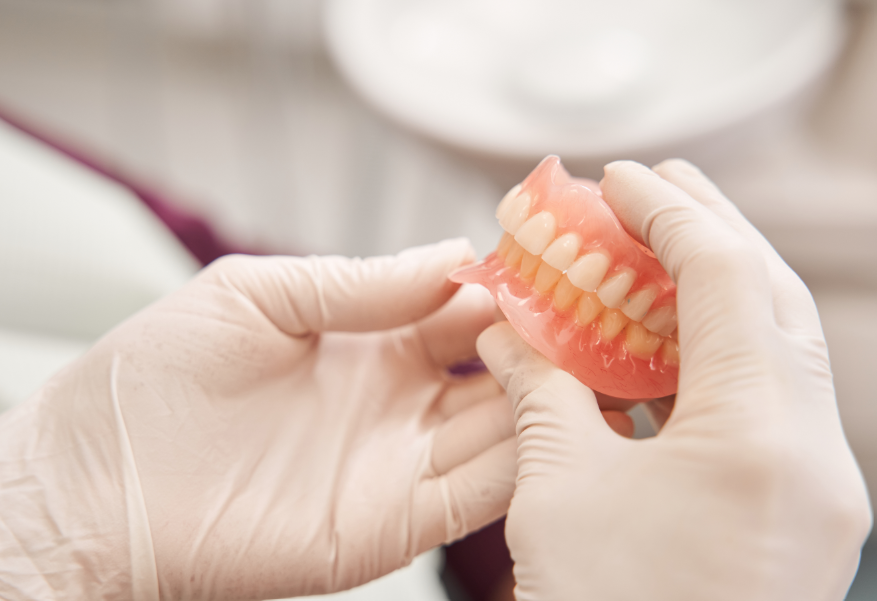
Getting new dentures is an exciting step toward restoring your smile and chewing ability, but it can also take some adjustment—especially when it comes to speaking. Dentures sit differently in your mouth than natural teeth, which can temporarily affect your pronunciation, volume, and comfort while talking. Understanding what to expect and practicing a few techniques can help you regain confidence and speak clearly with your new teeth.
Common Speech Changes with Dentures
It’s normal to notice some changes in the way you speak immediately after getting dentures. You may experience a slight lisp, difficulty pronouncing certain consonants like “s” or “f,” or changes in your bite and tongue placement. Some people also find that their dentures click or move slightly when speaking at first. These adjustments are part of the process as your mouth learns to accommodate the new appliance. Most of these speech issues improve as you practice and adapt to your dentures.
Tips for Speaking Clearly
Several simple strategies can help you get comfortable speaking with dentures:
- Practice Reading Aloud: Reading books, newspapers, or even your favorite articles out loud can help you adjust your tongue and lips to the new denture position.
- Slow Down Your Speech: Slowing your rate of speech gives your mouth time to adjust to the new shape of your teeth.
- Use Tongue Exercises: Press your tongue gently against the roof of your mouth or behind your teeth while saying certain sounds to train proper placement.
- Record Yourself: Listening to recordings of your speech can help you identify areas that need more practice.
- Stay Patient: Adjusting to dentures takes time, and frequent practice will lead to steady improvement.
Adjusting to Everyday Conversations
You may notice improvements gradually as you incorporate dentures into daily activities. Speaking with friends or family in a relaxed environment can help build confidence, while practicing phone calls or reading aloud can further refine your clarity. Remember that minor clicks or slips in the beginning are normal and typically resolve as your muscles adapt. Using denture adhesive, if recommended by your dentist, can also stabilize your dentures and reduce movement while speaking.
When to Consult Your Dentist
If your dentures continue to cause discomfort, make it difficult to speak, or seem loose despite practice and adjustments, it’s important to contact your dentist. They can evaluate the fit and make refinements to ensure your dentures are comfortable and functional. Professional adjustments help protect your oral tissues and ensure that speaking and eating remain natural and effortless.
With patience, practice, and occasional professional guidance, most people quickly regain the ability to speak clearly and confidently with their new dentures.
About the Practice
Neosmile Dental Care provides comprehensive denture services designed to restore comfort, function, and confidence. Dr. Patel and Dr. Gandhi work closely with patients to ensure dentures fit properly, function well, and support clear speech. From initial impressions to final adjustments, we emphasize personalized care, patient comfort, and long-lasting results.
Call us at (215) 643-5220 or schedule your appointment online.