


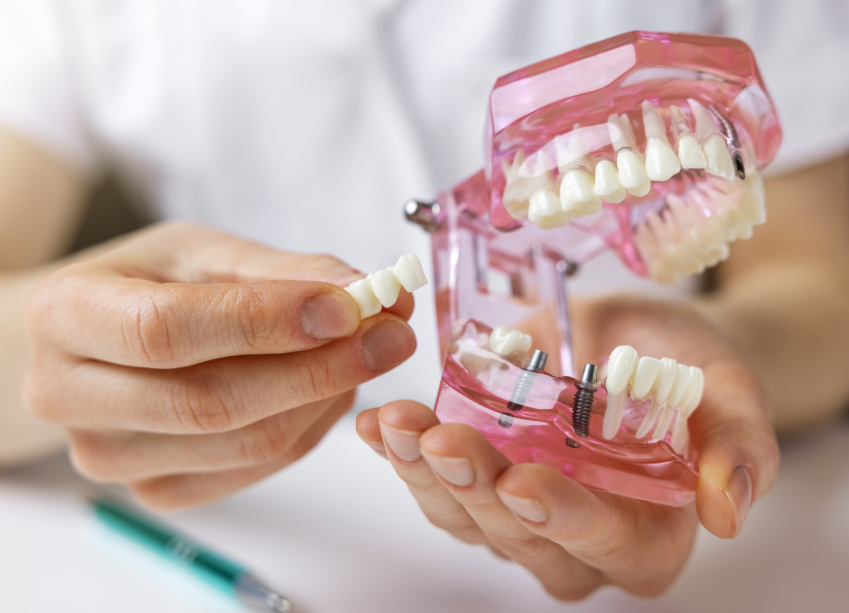
A dental bridge is a reliable solution for replacing missing teeth and restoring your smile’s appearance and function. With proper care, many bridges can last 10 to 15 years or even longer. However, like any dental restoration, bridges are not indestructible. Certain habits, oral health issues, and everyday wear can shorten their lifespan or lead to failure.
Understanding what can damage a dental bridge can help you protect your restoration and avoid unexpected problems down the road.
Poor Oral Hygiene
One of the most common reasons dental bridges fail is inadequate oral hygiene. While the bridge itself cannot develop cavities, the supporting teeth underneath the crowns still can. Plaque and bacteria can collect around the gumline and beneath the bridge if brushing and flossing are neglected.
Over time, this buildup may lead to tooth decay or gum disease, weakening the teeth that anchor the bridge in place. If the supporting teeth become damaged, the bridge may loosen or need to be replaced entirely.
Daily brushing, flossing, and regular professional cleanings are essential for maintaining both your bridge and the surrounding oral structures.
Gum Disease
Healthy gums provide important support for your dental bridge. When gum disease develops, the tissue and bone surrounding the supporting teeth can begin to deteriorate. This can create instability and increase the risk of bridge failure.
Early gum disease may cause redness, swelling, or bleeding gums, while more advanced stages can lead to gum recession and tooth mobility. Keeping up with routine dental visits can help catch gum disease before it threatens your restoration.
Teeth Grinding and Clenching
Grinding or clenching your teeth—also called bruxism—can place significant pressure on a dental bridge. Constant force may eventually weaken the restoration, crack the porcelain, or loosen the cement that holds the bridge in place.
Many people grind their teeth at night without realizing it. Symptoms such as jaw soreness, headaches, or worn teeth may indicate a problem. If bruxism is affecting your smile, your dentist may recommend a custom nightguard to help protect your bridge from excessive stress.
Chewing Hard or Sticky Foods
Although dental bridges are strong, certain foods can still damage them. Chewing ice, hard candy, popcorn kernels, or other hard objects may crack the bridge or supporting crowns.
Sticky foods can also pull at the restoration and loosen it over time. Being mindful of what you eat can help reduce unnecessary wear and protect your dental work from avoidable damage.
Natural Wear and Tear
Even well-maintained dental bridges eventually experience wear from years of daily use. Biting, chewing, and temperature changes can slowly affect the materials over time.
In some cases, the cement holding the bridge may weaken, or the restoration itself may begin to show signs of aging. This doesn’t necessarily mean you did anything wrong—it’s simply part of the normal lifespan of dental restorations.
Regular dental checkups allow your dentist to monitor the condition of your bridge and recommend repairs or replacement if needed.
Injury or Trauma
Accidents and injuries can also cause dental bridges to fail unexpectedly. A fall, sports injury, or direct impact to the mouth may crack or dislodge the bridge.
If you play contact sports or participate in activities with a risk of facial injury, wearing a mouthguard can help protect both your natural teeth and dental restorations.
Taking care of your dental bridge with healthy habits and regular dental visits can help you enjoy a strong, functional smile for many years.
About the Practice
Dr. Patel and Dr. Gandhi of Neosmile Dental Care ensure patients receive comprehensive care for missing teeth, including durable and natural-looking dental bridges. We are committed to helping patients maintain healthy, confident smiles with personalized restorative treatment options. Come visit us and explore your perfect smile options!
Call us at (215) 643-5220 or schedule your appointment online.